
A Short Guide to Cryptobiotic Soil: The Living Crust Beneath Your Feet
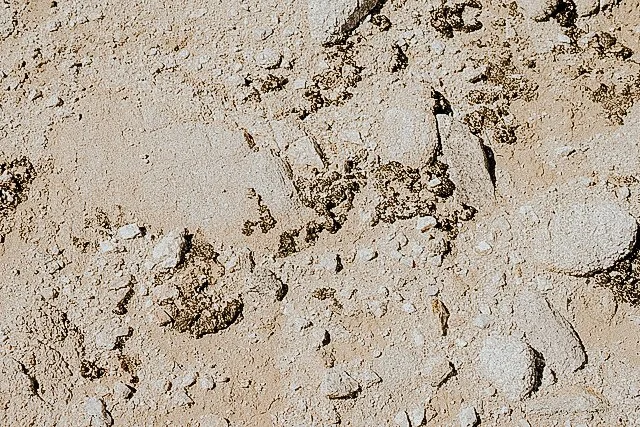
Spend enough time in the Mojave and you start noticing the small things — the darker patches of ground, the raised, knobby texture of certain soils, the way some areas look almost woven together. That surface isn’t just dirt. It’s cryptobiotic soil, also known as biological soil crust, and it’s very much alive.
Most visitors walk past it without realizing what they’re seeing. But once you understand what this crust does — and how long it takes to return once damaged — it becomes one of the most important things to notice while exploring Joshua Tree.
What Cryptobiotic Soil Actually Is
Cryptobiotic soil is a community of tiny organisms working together to stabilize the desert floor. It typically includes:
cyanobacteria
lichens
mosses
fungi
algae
These organisms knit together to form a crust that can take years to decades to mature, depending on moisture and soil conditions. In dry regions like Joshua Tree, recovery from disturbance can take much longer.
Why It Matters
Despite often going unnoticed, cryptobiotic soil plays a major role in keeping the desert functioning:
1. It stabilizes the ground.
The crust binds loose particles, helping the soil resist wind and water erosion — a big deal in open, exposed terrain.
2. It supports water retention and infiltration.
In many desert soils, biocrust helps slow runoff and allows more rainfall to soak in. Effects vary by soil type, but in most cases the crust provides structure that helps the land hold onto scarce moisture.
3. It contributes nutrients.
Cyanobacteria within the crust can fix nitrogen — turning it into a usable form that supports nearby plant life.
4. It creates better conditions for seeds.
Biocrust can help trap seeds, protect them from blowing away, and hold just enough moisture for germination.
In short: where cryptobiotic soil is healthy, the desert ecosystem has a stronger foundation.
Why It’s So Easily Damaged
For all its importance, cryptobiotic soil is fragile at the surface. A single footprint, tire track, or shortcut off trail can:
break the woven structure
expose loose soil
reduce water retention
disrupt nitrogen-fixing communities
In a region with infrequent rainfall and slow-growing organisms, that damage may take decades or longer to recover — especially for mature crust.
Recovery depends on soil type, climate, disturbance level, and moisture, but the rule of thumb is simple: avoid stepping on it whenever you can.
How to Recognize It
You don’t need scientific training — just a sense of what to look for.
Common signs:
darker or more textured soil than the surrounding area
a slightly raised, bumpy, or knobby surface
a crust that looks almost like miniature coral
mossy or lichen-like patches that turn green after rain
When in doubt, assume textured ground may be living crust.
How to Avoid Damaging It
It’s easy: Stay on durable surfaces.
These include:
established trails
rocks
sandy wash bottoms (if dry and crust-free)
designated campsites and pullouts
If you’re off-trail, aim for rock-to-rock travel or obvious sandy patches where no crust is present.
And if you’re unsure: Walk where others have already walked.
Why This Matters for Visitors
Noticing cryptobiotic soil adds another layer to your understanding of the desert. It’s a reminder that even seemingly empty spaces are busy with life — slow-growing, quietly working, and deeply interconnected.
By staying aware of where you step, you help protect:
plant communities
wildlife that depends on them
soil structure
the resilience of the place you came to enjoy
It's a small shift in behavior with a big impact on a landscape that heals slowly.